
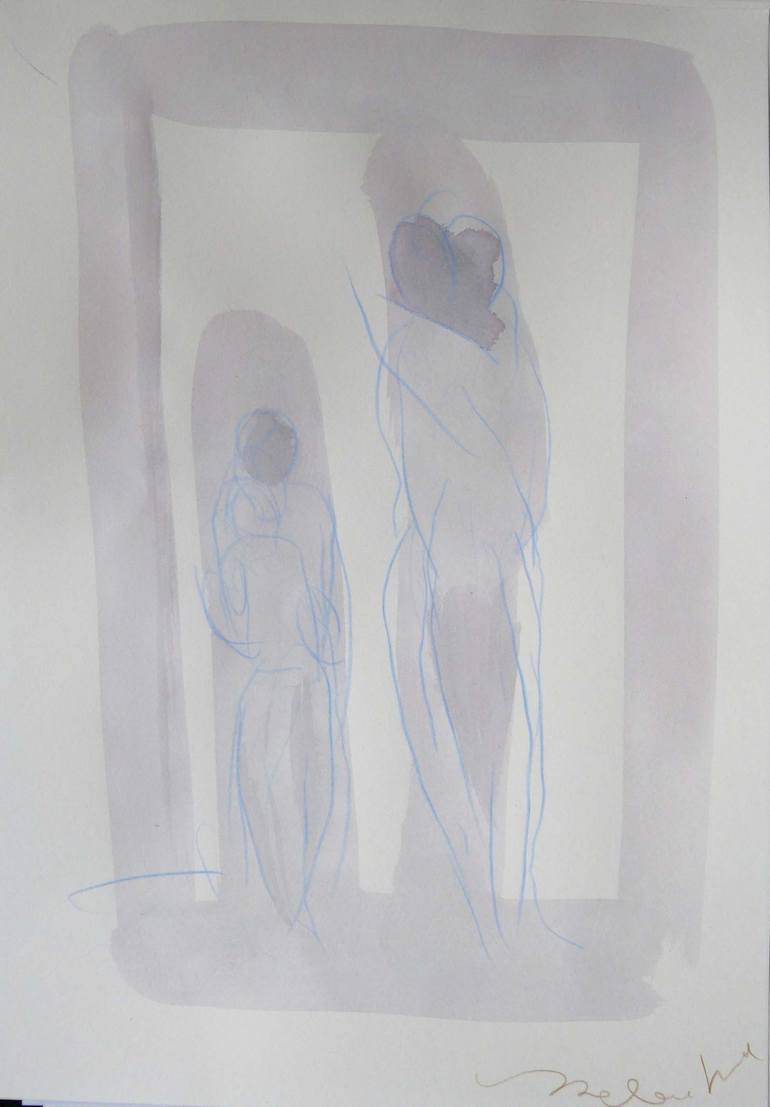
Navigating the Space Between Safety and Self‑Protection
Disclaimer: This entry discusses domestic violence, relational harm, and loss. Content is presented for educational and prevention-focused purposes. Thee Archive does not sensationalize violence or provide legal, medical, or therapeutic advice. If this content creates distress or safety concerns for you, please consider reaching out to the resources listed or a trusted professional.
I. Thee Thread
Stephanie moved to Tampa, Florida in 2013 for a fresh start — somewhere she and her son, Ryon, could finally breathe without looking over her shoulder. She worked as a home health aide while studying to become a certified nursing assistant. Friends knew her as kind, strong-willed, and determined.
Ryon, a fourth grader, was all rhythm and imagination — drums, WWE, and YouTube dreams. They were everything to each other.
Then came Tyrone in 2016, a lifelong friend from South Carolina who followed them to Florida. What started as friendship turned into a relationship, and eventually, heartbreak. Healthy love helps us grow — but sometimes closeness becomes control.
Tyrone appeared to be struggling. Despite his education and military background, he carried depression, instability, and anger. By 2018, things were different yet similar. Tyrone had moved in, unemployed and unsettled. Arguments began to happen more often, and what felt like tension was, in hindsight, a warning.
Red flag: Enmeshment – An unhealthy closeness where boundaries are unclear, preventing individual growth
On October 21, 2018, a fight over the TV spiraled quickly. Ryon tried to defend his mother. Just the day before, they’d gone on a family outing — a reminder of how ordinary moments can sometimes give way to crisis without warning.
Tyrone’s father was on the phone during parts of the argument. Attempts to calm things down failed. Tyrone began packing a duffel bag and bearing his weapons. In the chaos, Stephanie was shot multiple times in her bedroom. Investigators later found a spent bullet inside a PlayStation console, also found in the room, on the bed.
Law enforcement discovered Ryon beside his mother. His final act was trying to protect her.
Tyrone’s 911 call sounded panicked, but avoided responsibility.
This case reveals something heartbreaking: emotional instability mixed with justification can become deadly — especially when weapons are present.
Red flag: When conflict starts to feel like the new normal, safety is already drifting.
II. Thee Case
Body‑camera footage shows officers arriving to a crying, limping Tyrone. During questioning, his story didn’t match the physical evidence. Blood and casings in Ryon’s bedroom complicated Tyrone’s narrative. Although cooperative, he wasn’t forthcoming. He was formally charged and held with no bond:
- First‑degree murder
- Second‑degree murder
- Aggravated child abuse
The trial in November 2021 lasted five days. The jury found him guilty on all counts. He received the maximum sentence of death plus life plus 30 years and appealed — but the outcome remained unchanged. He continues trying to recast himself as a victim, as well.
Throughout testimony, he insisted he was trying to leave. Yet he was also the only armed person in the home. And he called his father, not emergency support.
This case shows how some perpetrators construct stories where they become the wounded heroes, while actual victims — a mother rebuilding her future and a 10‑year‑old boy protecting her — are painted as threats.
It’s painful.
And it’s too common.
III. Thee Remedy
Understanding these patterns is a proactive step toward preventing them.
Codependency and manipulation don’t always announce themselves. They show up disguised as:
- “We can fix this.”
- “You’re overreacting.”
- “I only get upset because I love you.”
Recognition matters — but recognition alone isn’t enough. The truth Stephanie and Ryon leave behind is sobering:
The cost of staying can be irreversible.
Leaving is rarely simple. There are finances, children, love, fear, and hope. But safety deserves more than promises — it deserves planning, community, and courage.
If any part of this feels familiar, ground yourself.
Red flag: Frequent arguments, destructive actions, passive-aggressiveness, and chronic hostility indicate difficulty regulating anger. Emotional & social impacts like persistent frustration, exaggerated reactions, and strained relationships also suggest deeper issues with anger control.
Affirmations
- Anger is one letter short of danger.
- I release fear, choose bravery, and invite peace into my life.
Resources
- 211 — Local health and human services
- 988 — 24/7 support for mental health, substance use, or suicidal crises
- Press 1 for veteran support, or text 838255
- 911 — Immediate danger
- TheeTeeHouse.com — Community, reflection, handcrafted tools, and awareness resources
Safety isn’t just personal — it’s collective. Friends, neighbors, and communities can help when something feels “off,” instead of ignoring it.
Because Stephanie deserved peace.
Ryon deserved to grow up.
And you deserve safety, too.
Protect your boundaries. Protect your children. Choose peace — and remember, there’s a community ready to help you find it.
Comments
One response
Such a great article!! Well thought out, very informative and resourceful. Keep up the great work!!